Home
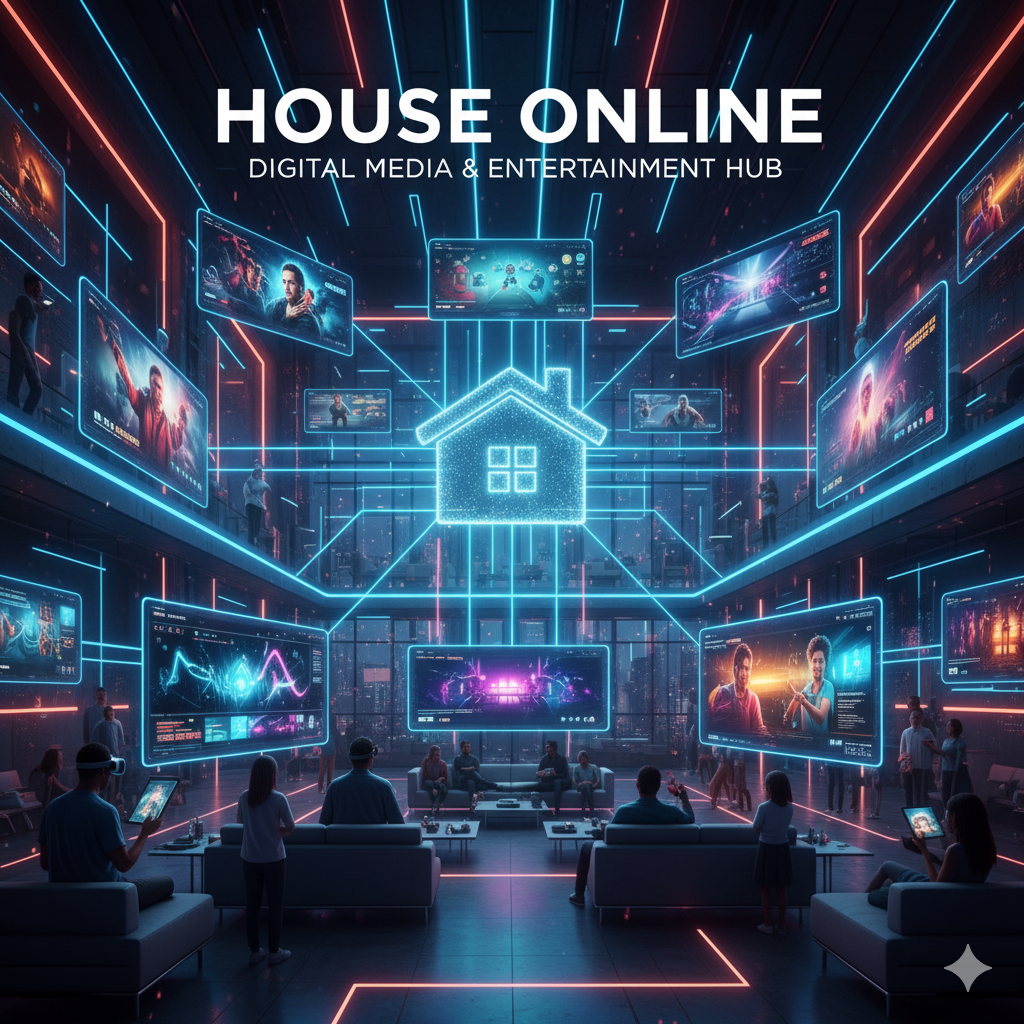
Home | House Online | Digital Media & Entertainment Hub
The world of entertainment has evolved beyond television sets, movie theaters, and traditional stages. In today’s digital age, people consume music, films, games, and stories through online platforms that are accessible anytime, anywhere. House Online | Digital Media & Entertainment Hub represents this shift—a space where creativity, technology, and community converge to deliver immersive media experiences. More than just a digital platform, House Online is a hub designed for audiences who want to explore, engage, and connect with the vibrant universe of modern entertainment.
A New Era of Digital Entertainment
Entertainment today is no longer bound by geography or schedules. With streaming services, online gaming, and social platforms, audiences have become active participants rather than passive consumers. House Online captures this spirit by offering a dynamic hub of digital media—from live performances and exclusive film screenings to interactive podcasts and gaming tournaments.
The goal is simple: to provide a one-stop entertainment destination that brings together artists, creators, and audiences in meaningful ways.
What House Online Offers
House Online embraces the full spectrum of digital entertainment, making it a versatile platform for discovery and engagement.
1. Streaming & On-Demand Media
-
Movies & Series: Access to independent films, documentaries, and curated series.
-
Music Sessions: Live-streamed concerts, virtual DJ sets, and exclusive studio recordings.
-
Podcasts & Talk Shows: Thought-provoking discussions on culture, art, and entertainment trends.
2. Interactive Gaming & Esports
-
Online Tournaments: Competitive gaming events open to global audiences.
-
Casual Play Communities: Spaces for gamers to connect, stream, and share experiences.
-
Virtual Reality Gaming: Immersive experiences that blur the line between play and reality.
3. Creative Showcases
-
Art & Design Exhibitions: Digital galleries highlighting emerging artists.
-
Theater & Dance Performances: Recorded and live-streamed productions for global audiences.
-
Creator Spotlights: Exclusive interviews with filmmakers, musicians, designers, and storytellers.
By integrating these elements, House Online ensures there is something for every audience—whether they are film enthusiasts, music lovers, gamers, or art fans.
A Community-Driven Hub
Unlike traditional media platforms, House Online is built on community engagement. Audiences are not just spectators—they are participants. Through chat forums, live Q&A sessions, and fan-driven content, users shape the entertainment experience.
Creators benefit from this model as well. Independent filmmakers, musicians, and artists can showcase their work, connect with fans, and receive direct support from their communities. This two-way interaction fosters a sense of belonging and co-creation that is central to House Online’s mission.
Innovation Meets Entertainment
Technology is at the heart of House Online. The hub leverages cutting-edge digital tools to enhance entertainment experiences:
-
Virtual & Augmented Reality (VR/AR): Offering concerts, exhibitions, and films in immersive environments.
-
AI-Powered Recommendations: Personalized suggestions tailored to each user’s preferences.
-
Cross-Platform Access: Seamless streaming on mobile, desktop, and smart devices.
-
Interactive Features: Polls, voting, and gamified experiences that keep audiences engaged.
By combining entertainment with innovation, House Online ensures users enjoy not just content, but experiences that feel personal and futuristic.
Supporting Artists & Creators
House Online is more than a hub for audiences—it is a platform for creators. Independent artists often struggle to find visibility in mainstream media. By providing digital space, marketing tools, and community exposure, House Online empowers creators to reach new audiences and grow their careers.
Programs include:
-
Creator Grants & Partnerships: Funding and collaboration opportunities for emerging talent.
-
Digital Workshops: Training in digital storytelling, video editing, and online brand building.
-
Revenue-Sharing Models: Fair and transparent systems that ensure creators benefit directly from their work.
This emphasis on supporting talent reflects House Online’s belief that digital entertainment should uplift both creators and audiences.
Cultural Diversity & Global Reach
Entertainment is a universal language, and House Online celebrates this through cultural diversity. The platform curates global content—from European film festivals and Asian gaming leagues to African music performances and Latin American art showcases.
This diversity not only enriches audiences but also fosters cross-cultural understanding. By giving global creators equal space, House Online becomes a platform where traditions, styles, and voices meet in one shared digital community.
Challenges and Opportunities in Digital Media
The digital entertainment industry faces challenges such as content oversaturation, copyright issues, and ensuring fair access to technology. Yet within these challenges lies opportunity.
House Online responds by prioritizing quality over quantity, offering curated content that stands out in the crowded digital space. Its focus on accessibility—making content affordable and available across devices—ensures that entertainment is inclusive rather than exclusive.
With growing demand for streaming, gaming, and virtual events, House Online is positioned to become a leader in shaping the future of entertainment hubs.
Why House Online Matters
In an age where entertainment is often fragmented across multiple platforms, House Online provides unity and community. It is not just a platform where people consume content—it is a place where they gather, create, and connect.
By bridging the gap between artists and audiences, technology and creativity, local culture and global reach, House Online redefines what a digital media hub can be.
Closing Thought
House Online | Digital Media & Entertainment Hub is more than a name—it is a vision for the future of entertainment. A place where music meets film, games meet art, and audiences meet creators. Whether you are here to watch, listen, play, or create, House Online offers a home where digital entertainment thrives, communities grow, and culture connects us all.